



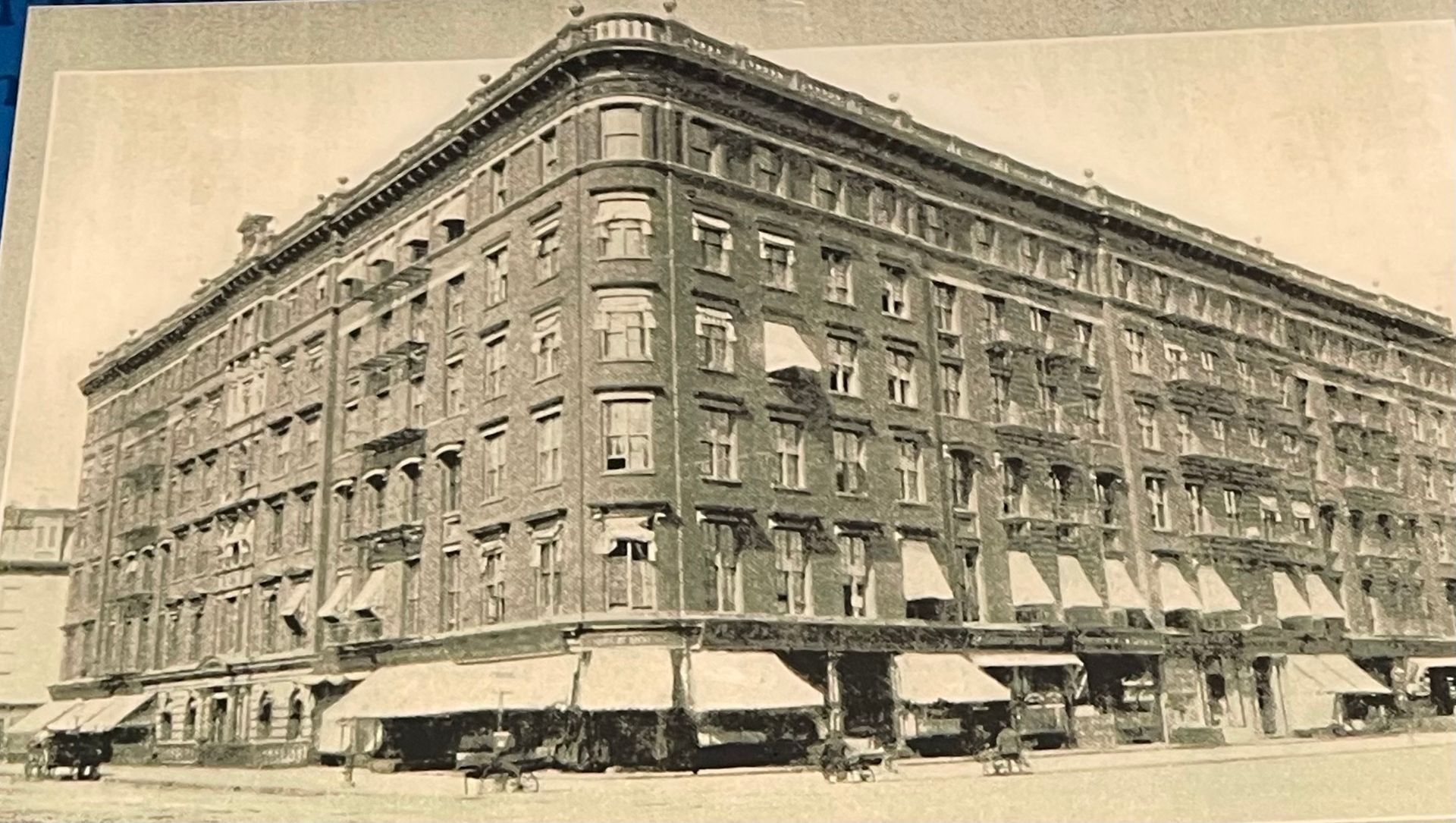
Bib ben Clock Town London
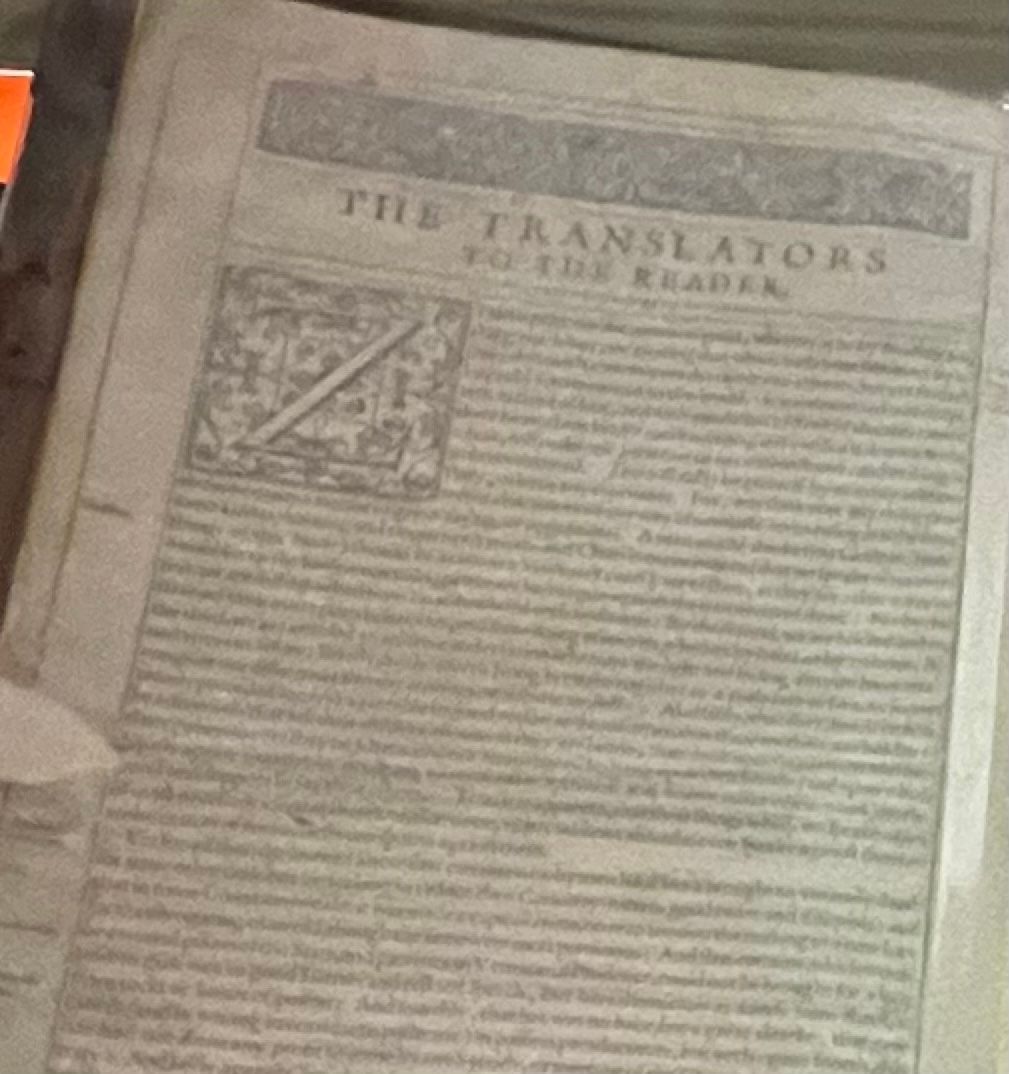
Bible Society 1893
Victorian Type
Theological Ornamentation
“At other times [type]is a plaything that affords personal amusement and recreation. It is fun to produce a fresh design and unexpected ideas with letters and numbers – by themselves, or together with graphic objects.”
(Bradbury Thompson)
VICTORIAN TYPE emphasized that more is more in display type. This was an age during Queen Victoria’s reign (1837–1901) when ornamentation, diversity and innovation took the printing stage. Social changes advanced posters that trended toward expressiveness rather than readability in display typography.
A sample project that I worked on with the help of the Type Project Book by Nigel French and Hugh D’Andrade displays the graphic intensity of Victorian type and art.
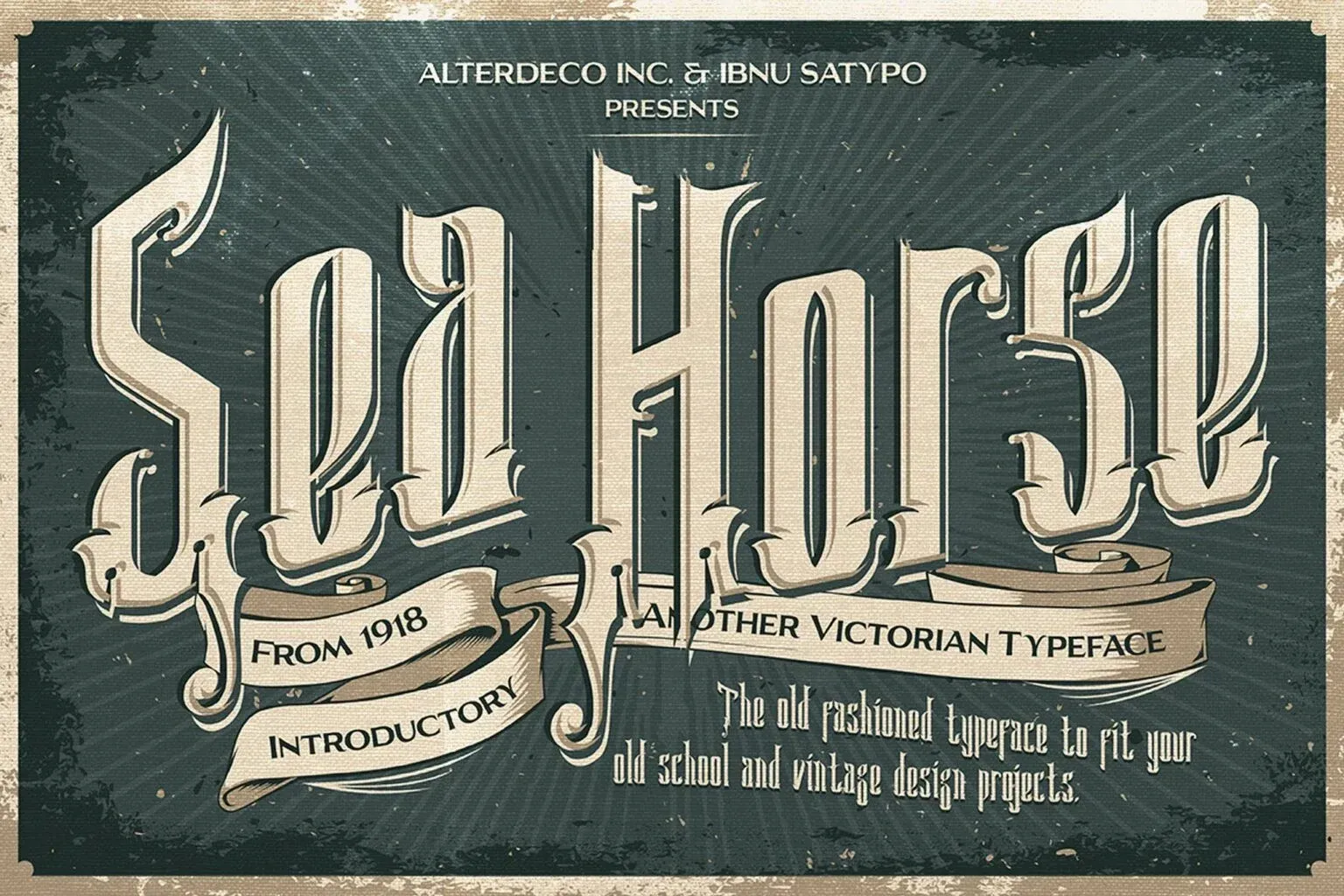
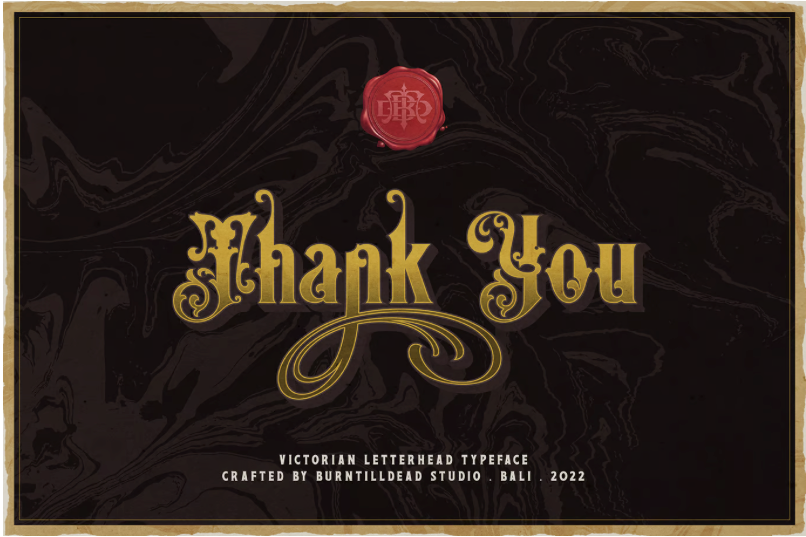
Other samples of Victorian display art from the display at Champlain Library and Design Shack can be seen in the samples the side [1]
Printers would mix multiple typefaces on a single page or poster to catch the eye. The Industrial Revolution facilitated the mass production of such printing. Type was used to create hierarchy and drama with little concern for typographic minimalism.
Victorian Typography and Theology
From roughly 1837 to 1901, Victorian typography and Christianity were closely connected. The relationship was not simply that Christians used Victorian type; rather, typography became part of the period’s larger religious, moral, and cultural expression.
Victorian Britain experienced a strong and diverse Christian culture. Anglicanism remained culturally dominant, while Methodists, Baptists, Congregationalists, Presbyterians, Roman Catholics, and evangelical movements expanded their publishing activities. This created an enormous demand for Bibles and prayer books, hymnals, sermons and theological works, missionary literature, Sunday-school materials, devotional books, religious newspapers and magazines, tracts and pamphlets, and illustrated children’s religious books. Typography therefore became an important means of making Christian material authoritative, attractive, inexpensive, and widely accessible.
Victorian typography revived the use of Gothic type, architecture, medieval manuscripts, and ecclesiastical art in the nineteenth century. A leading proponent was A.W.N. Pugin (1812–1852). Remembered principally for his role in the Gothic Revival style of architecture, Pugin designed many churches in England, and some in Ireland and Australia. Among his best known work is the interior and clock tower of the Palace of Westminster.
Pugin grew up under the Scottish Presbyterian preaching of Edward Irving at his Chapel in Cross Street, Hatton Garden, Camden, London. He rebelled against what he described as the “cold and sterile forms of the Scottish church,” converting in 1834 to Catholicism. In 1836, Pugin published Contrasts: or a Parallel Between the Noble Edifices of the Fourteenth and Fifteenth Centuries and Similar Buildings of the Present Day, a polemical book which argued for the revival of the medieval Gothic style, and also “a return to the faith and the social structures of the Middle Ages.”
Pugin’s disciples met William Morris and went on to become leading members of the English Arts & Crafts Movement. Morris regarded Pugin as a prominent figure in the “first act” of the Gothic revival, in which it “triumphed as an exotic ecclesiastical style”, whereas in the second act, Ruskin replaced specific religious connotations with a universal, ethical stance.² Gothic inspired typefaces suggested Christian antiquity, ecclesiastical authority, tradition, the medieval church, sacred manuscripts and continuity with European Christian history.
The Bible was probably the most important Christian publication in Victorian typographic culture. Victorian Bibles frequently combined several typographic traditions using Roman type for the principal biblical text because of its readability and established literary authority. Italic type was used for emphasis, textual distinctions, marginal references, or editorial material. Small capitals were used for headings, names, running titles, and emphasis. Blackletter/Gothic faces adorned titles, display material, certificates, or historically themed editions. Ornamental display typefaces were used especially on title pages and presentation editions. Victorian Bible typography often created a visual hierarchy between sacred text, commentary, headings, and supplementary material.
Christianity in the Victorian period helped drive the expansion of mass typography. Organizations such as the Religious Tract Society and the British and Foreign Bible Society used industrial printing to distribute Christian material on an unprecedented scale. This encouraged typography that was economical, legible,, reproducible, relatively inexpensive, and suitable for large editions. The nineteenth-century Christian publishing industry therefore helped connect religious evangelism with modern mass communication. The printing press became, in effect, an instrument of missionary work.
Victorian typography frequently incorporated elaborate ornament. Christian publications could employ crosses, vines and leaves, lilies, crowns, angels, Gothic architectural motifs, medieval initials, decorative borders, and biblical imagery. The ornament itself could reinforce the religious identity of the publication.
Victorian society also associated appearance with moral character. A well-produced Christian book could communicate seriousness, respectability, authority, and moral value. This was particularly important for religious education. Sunday-school books, children’s Bibles, hymnals, and devotional literature were expected to be proper, orderly, clean, and respectable. Typography consequently participated in Victorian ideals of discipline, order, education, self-improvement, moral instruction, and respectability.
The connection between Gothic revival and the Oxford Movement becomes especially interesting. Figures associated with the movement encouraged renewed interest in liturgy, church architecture, medieval Christianity, sacramental worship, and historic church traditions. The visual environment surrounding this revival included Gothic architecture, medieval ornament, illuminated initials, ecclesiastical lettering, and Gothic type. Typography thus became part of a broader attempt to recover the visual language of historic Christianity. The period could use medieval Christian visual forms while employing the newest technologies of industrial printing.
Anglican and Anglo-Catholic publications often showed considerable interest in medieval and Gothic aesthetics. Gothic architecture and typography could reinforce the sense of continuity with historic Christianity. Evangelical Protestant publications, by contrast, frequently favored highly readable Roman typography suited to preaching, Bible study, tracts, and mass distribution. Typographically, this illustrates an important principle — typography could express theological and ecclesiastical identity.
Christianity supplied much of the historical visual vocabulary that Victorian designers revived. At the same time, Victorian printing technology transformed Christian communication from something relatively specialized into a mass cultural enterprise. The result was a fascinating mixture of faith, medievalism, industrialization, and typography.
Mass marketing and consumerism forced a greater emphasis on display type described above. Such Victorian-bred typefaces led to typographic excess and typographic clutter by most modern standards. Yet, this age of type laid the groundwork for modern graphic design. Type became a visual art in its own right.
The lack of white space and forced, bold, and audacious design ideas and posters might challenge the quality of proportion, unity, variety, symmetry, harmony, intricacy, delicacy, simplicity and suggestiveness — the description of “fittingness.” Its desirability had limited appeal historically. Yet, this era above all was strongly rooted in the objective in its demands to be noticed and speaking loudly to us of the rule of God in life and thought. It was “really there” boldly and powerfully there. So, in many senses, for at least a period of time, Victorian type was beautiful.
My one time seminary president, Edmund Clowney, says this about beauty and its “formal dimensions” —
"There is a certain heightening that’s involved in the aesthetic experience, a heightening involved with perceiving the richness and the depth. I believe perceiving also that God-grounded reality in which all of this takes place, for the final allusion that delights the heart of the Christian is the allusion to God himself, to God’s presence, who is the Creator and Source from which the possibility of all our experience flows as new creatures in Christ Jesus. All experience in the world has to be derived from his creative ordinance. And then the matter of significance of vision and meaning is the way in which we apply and perceive this beauty as over against a mere formalism in art, or an approach to art that would just see a picture, a painting, for example, in terms of formal dimensions.”[3]
Notes
1. Sample 1 is Admiral Dewey March and Two-Step, by Helen Frances Phillips, 1898, Llewellyn Collection of Vermont History, 2010.1.2. Courtesy https://libraryblog.champlain.edu/2018/12/10/victorian-typography-a-new-special-collections-exhibition/. Samples 2 and 3 are from the ads produced by Design Shack at https://designshack.net/articles/inspiration/victorian-fonts/.
2. See https://en.wikipedia.org/wiki/Augustus_Pugin for more details.
3. Edmund Clowney, “Living Art: The Beauty of God’s Word,” Westminster Magazine (Vol. 5, Issue 2, Spring 2025), 39.