

Ray Gun Interview with Bryan Ferry
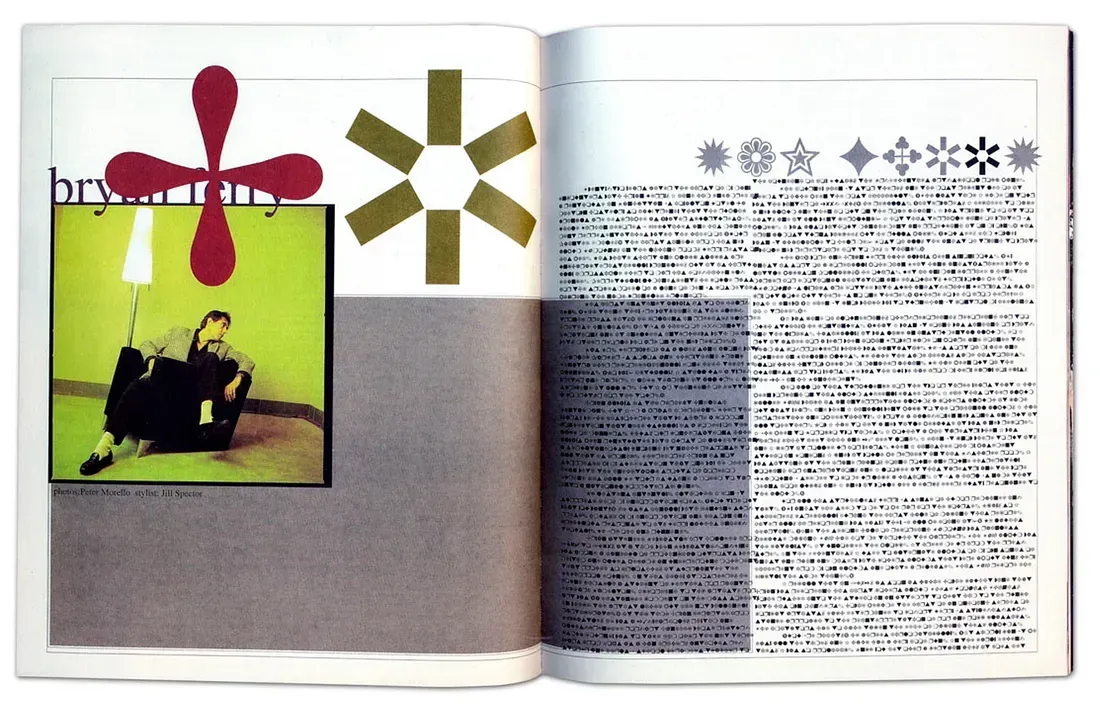
Written entirely in Zapf Dingbats Font 1994
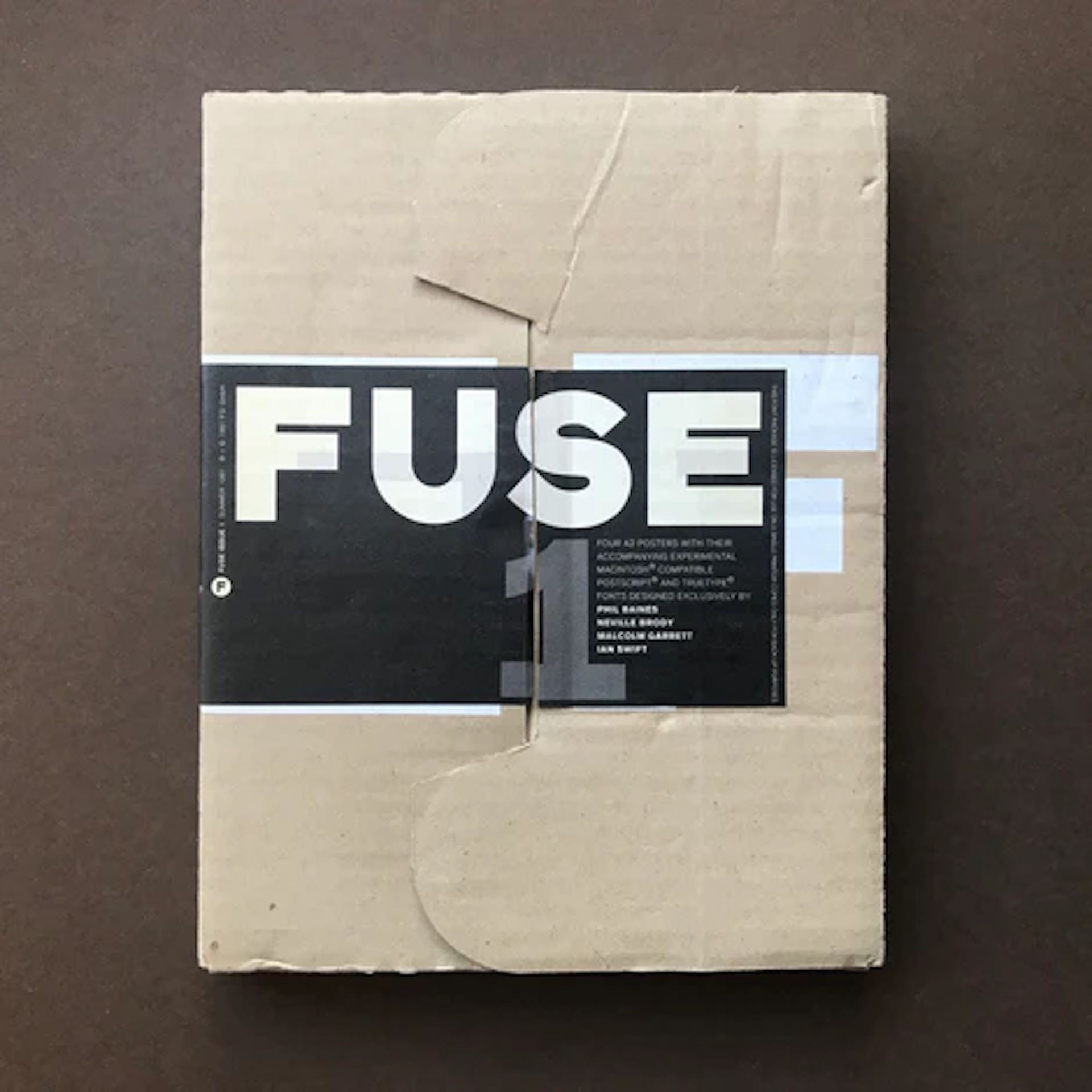
1991 Edition of FUSE Magazine
Grunge Type Theology
Distortion, Decay & Chaos
“Grunge reflected a broader 1990s disillusionment with mainstream culture, perfectionism, and the sanitized aesthetics of the 1980s.”
(Chat GPT)
GRUNGE TYPOGRAPHY emerged in the early 1990s as a post-modern design trend. This type developed out of the Seattle music scene, from bands like Nirvana, Pearl Jam and Soundgarden. Deeply influenced by Punk and its underground culture, Grunge type reflected a broader 1990s disillusionment with mainstream culture, perfectionism, and the sanitized aesthetics of the late 1980s.
While Swiss typography emphasized clarity, objectivity, and overall beauty, grunge trumpeted texture, personality and imperfection. In fact the background to the pages of this chapter are purposefully “dirty,” providing a suitable backdrop to grunge type. Legibility was sacrificed to atmosphere and emotion, a rejection of commercial polish.
As noted in the previous chapter, David Carson, art director of Ray Gun magazine, was the most influential figure in grunge design. His layouts ignored typographic norms, using overlapping text, unconventional spacing and distressed fonts. Most of his work is shown on the covers of grunge inspired magazines, with a layering of photos and messy typography. Ray Gun magazine once published an interview with Bryan Ferry entirely in the symbol font Zapf Dingbats, unreadable but distinctive in appearance.
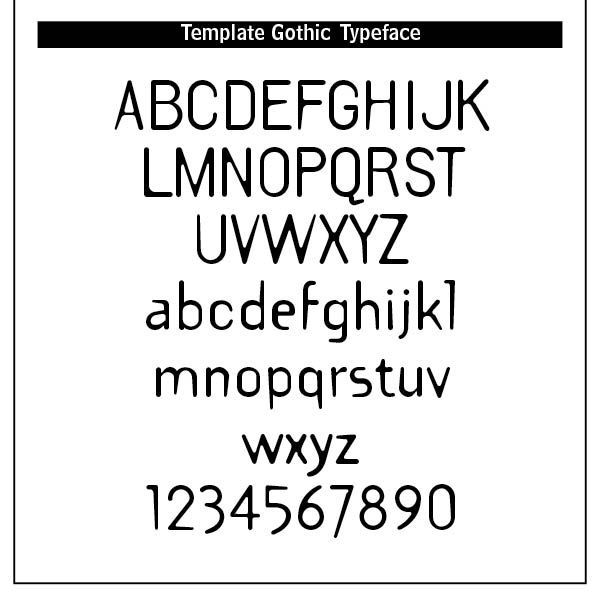
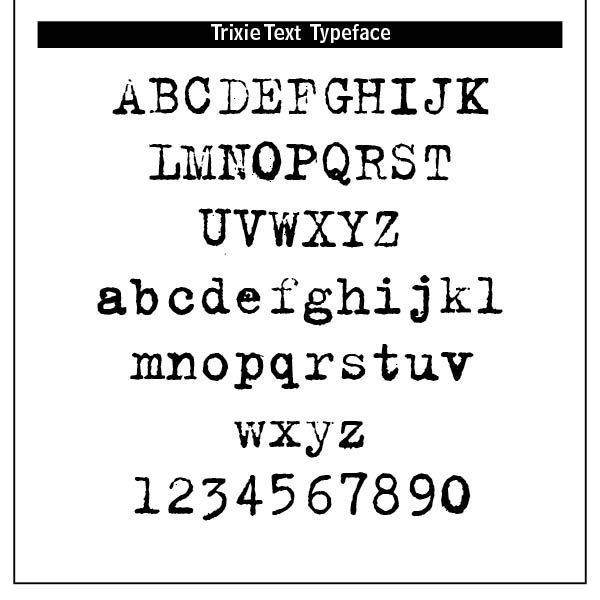
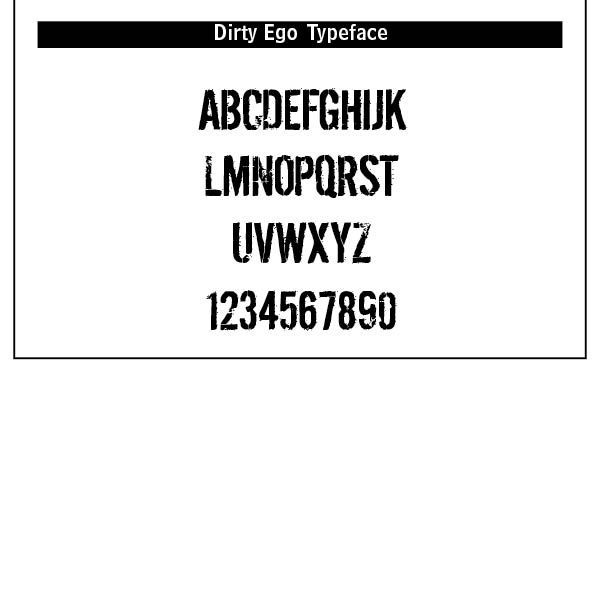
Distressed textured fonts with rough edges, eroded lines and smudges often make up grunge type. Layered, overlapping type that is difficult to read is a mark of grunge. Use of photocopier effects, handwriting and ripped, torn or splattered letterforms indicate grunge typography.
Designers like Neville Brody and Emigre magazine also pushed type’s boundaries. Neville Brody is an English graphic designer, typographer and art director. He is known for his work on The Face magazine (1981–1986) and Arena Magazine (1987–1990). Once Dean of the School of Communication at the Royal College of Art, London, he is now professor of communication.[1]
His typographical background was a comparison between Dadaism and pop art. He designed posters for student concerts at the college. He collaborated with Jon Wozencroft creating FUSE Magazine in 1991.
Grunge typography reached its zenith with Ray Gun magazine, with 70 issues between 1992 and 2000. The monochrome or muted palettes, adding to the gritty, bleak mood and its shredded type appeared in grunge posters to signal rebellion, dirt and nonconformity. It fell out of mainstream usage by the late 2000s. However, grunge paved the way for handmade, experimental and anti-design approaches in digital typography. This type spoke directly to a generation that didn’t trust clean lines or polished surfaces.
Grunge’s Fundamental Typographical Philosophy
Modernism in Germany and England migrated to America. Typographical order migrated to clarity to neutrality in Swiss type and then to universal communication. Postmodernism upended that typological and theological progression. Postmodern type expressions first questioned the system, then sought to disrupt the grid-based hierarchy which then led to multiple voices. Distrust and suspicion of all authority describes grunge typography.
Grunge damaged the system, exposed the imperfections and made typography emotionally and culturally expressive. The point was not to make type look “dirty,” but rather to say that typography does not have to pretend that communication is clean, neutral, objective, or perfectly controlled. That is why genuine grunge typography is best understood not as a collection of distressed fonts, but as a cultural critique of typographic order.
Grunge typography, consequently, can be understood through several philosophical and theological constructs. Grunge authenticity says imperfect things can appear more genuine than polished ones. Anti-rationalism maintains that personal expression takes precedence over standardized corporate language. Fragmentation contends that contemporary experience can be represented as discontinuous fragments. Anti-authoritarianism says established rules of typography can be questioned. Materiality notes that physical traces and imperfections have communicative value. Irony in Grunge says that typography can deliberately undermine its own conventional purpose. An alienation theology posits disorder and illegibility can represent psychological and cultural disconnection.
Grunge, however, is not punk typography. Where punk was confrontational, grunge alienates people. The aggressiveness of punk is now the distressed look of grunge type. DIY hand creators of punk are now under grunge the desktop publishers of the digital age. “Fighting the system” punk philosophy now under grunge becomes “the system feels meaningless.”
Instead of effortless reading of type, typography itself can and should become part of the experience. Carson’s work helped move experimental typography from the margins of underground culture into mainstream graphic design. Grunge typography is particularly associated with the visual culture surrounding alternative rock, grunge music, independent record labels, zines, and youth culture.
The typography often communicated identity before the viewer even read the words. The visual language could say, “We are outside the mainstream.” Consequently, grunge typography was not merely a technical style. It became a form of cultural identification.
A perfectly clean digital letter is transformed into something resembling a rubber stamp, a photocopy, a newspaper clipping, a concert flyer, a screen print, a hand-painted sign, a typewriter, or a pasted-up collage. This gives typography a sense of material history. The viewer is encouraged to imagine that the design has been handled, copied, worn, torn, and reproduced. Letters can simultaneously carry linguistic, emotional, tactile, and cultural information. A word might be nearly illegible but still communicate an emotional atmosphere through its texture and form. Type is visual art.
In a Christian context, the “dirty” type despises the beauty of God’s created Word and order. Grunge is not beautiful even in a secular typographic setting of legibility, readability and proportionate spacing. However, grunge spoke volumes to a free-wheeling, post-Christian and post-modern generation looking for rebellious branding and kinky visceral type.
Notes
1. From Wikipedia’s article on Neville Brody at https://en.wikipedia.org/wiki/Neville_Brody.